





Preparing Your Outdoor Condenser for Autumn Winds
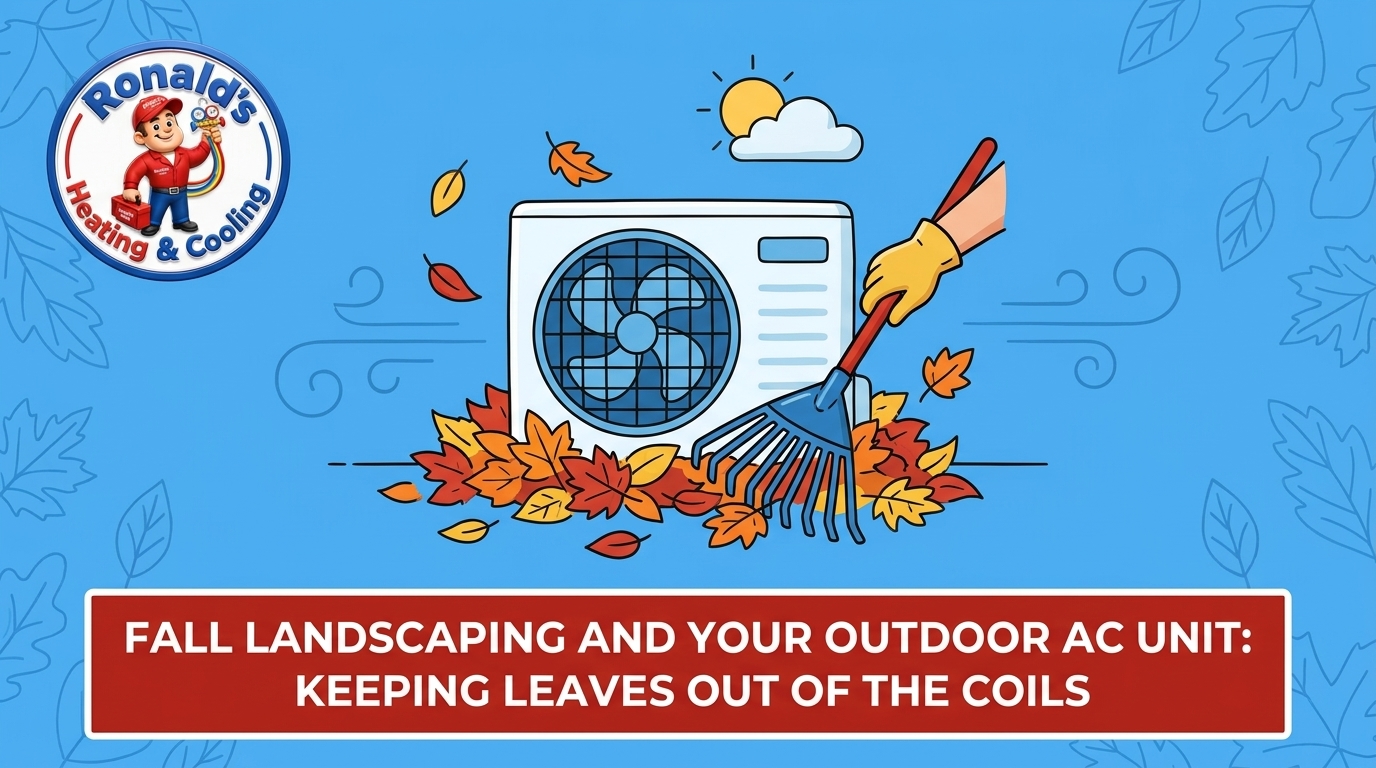
The September transition into early fall brings welcome relief to the coast, but it also signals a major shift in yard maintenance. As you begin prepping your property for the changing weather, understanding the relationship between your Fall Landscaping and Your Outdoor AC Unit: Keeping Leaves Out of the Coils becomes an urgent priority. In our years servicing Virginia Beach, our team at Ronald's Heating & Cooling has seen firsthand how high coastal winds frequently blow wet, heavy leaves, twigs, and pine needles directly into the delicate fins of your outdoor condenser. When this debris accumulates, it chokes off the system's ability to "breathe," forcing the internal components to work twice as hard to achieve the same level of comfort inside your home.
Many homeowners face a critical decision point right now: how to safely clear away this seasonal mess and establish a proper landscaping clearance zone without accidentally damaging the fragile aluminum fins that encase the unit. Taking the wrong approach with landscaping tools or high-pressure water can cause irreversible damage. Maintaining proper, unobstructed airflow is a fundamental requirement for overall system health, especially as your equipment transitions out of the heavy summer cooling load. If you want to protect your Air Conditioning investment, pairing smart yard work with a professional AC tune-up in Virginia Beach ensures the system is completely clear of internal debris before winter arrives.
How Coastal Storms Turn Leaves into Airflow Blockers
Standard seasonal advice usually tells homeowners to simply "keep leaves away" from their exterior equipment. However, for Virginia Beach coastal properties, that basic guidance often falls short. Coastal storms and high autumnal winds do not just drop leaves near your condenser; they actively plaster wet, heavy debris directly against the intake grilles. When this organic matter builds up, it creates a dense, damp mat that blocks the fan from pulling air through the coils.
The Hidden Cost of Restricted Airflow
Your outdoor unit relies on a constant, unobstructed flow of air to release the heat it has absorbed from inside your home. When leaves and pine needles form a barrier over the exterior fins, the heat exchange process is severely disrupted. Restricted airflow from dirty coils or blocked condensers can reduce your system's overall efficiency by up to 30 percent. This forces the compressor to run longer cycles, consume significantly more electricity, and endure unnecessary mechanical wear and tear.
The Coastal Corrosion Factor: Living near the ocean introduces an additional threat. A pattern our technicians see often is the combination of salt air and wet, trapped leaves creating a highly corrosive environment. When soggy foliage sits against delicate aluminum fins for weeks at a time, it traps moisture and coastal salt directly against the metal. If left unchecked, this damp, salty blanket accelerates galvanic corrosion, slowly eating away at the fins and weakening the structural integrity of the coils. What starts as a simple pile of leaves can quickly degrade the most expensive components of your outdoor equipment.
Establishing the Golden Rule: The Two-Foot Clearance Zone
Preventing storm debris from choking your system starts with creating a physical buffer. The most effective way to protect your equipment is by establishing and maintaining a strict landscaping boundary around the entire condenser pad. This isn't just an aesthetic guideline; it is a mechanical necessity for proper heat exchange.
Measuring and Maintaining Your Buffer
Industry standards dictate a specific volume of empty space required for a condenser to function efficiently. Implementing these spatial rules is a crucial step in any long-term preventative maintenance plan. Here is exactly how to structure the landscaping around your equipment:
• The 2-foot minimum clearance zone: You must maintain at least 24 inches of completely clear space on all four sides of the outdoor unit. This means no shrubs, tall grasses, decorative fencing, or low-hanging branches should encroach within this two-foot radius.
• The 5-foot vertical clearance rule: The fan exhausts hot air straight up. Ensure there is a minimum of 5 feet of unobstructed vertical space above the unit. Trim back any overhanging tree canopies or creeping vines that might block this upward airflow.
• Aggressive autumn trimming: Before the heaviest leaf drop begins, prune nearby bushes and shrubs back by an extra six to eight inches beyond the two-foot zone. This accounts for sudden growth spurts and prevents branches from whipping against the unit during heavy coastal winds.
• Ground cover management: Avoid using light, easily blown mulch directly around the condenser pad. Instead, consider installing a border of heavy river rock or crushed gravel within the 2-foot minimum clearance zone to prevent ground debris from being sucked into the lower fins.
By strictly enforcing this golden rule, you give your system the breathing room it needs to operate efficiently, while simultaneously making it much harder for blowing leaves to find their way into the equipment.

Safe Exterior Debris Removal: What You Can Do
Even with a perfect landscaping buffer, the September transition into early fall will inevitably blow some leaves and pine needles against your unit. Removing this exterior debris is a task you can handle yourself, provided you follow strict safety protocols. The aluminum fins on your condenser are incredibly thin and can be bent or crushed by the slightest pressure, so a gentle approach is mandatory.
Step-by-Step Exterior Cleaning
1. Turn off the power at the breaker: Never perform yard work or cleaning around an active condenser. Locate your home's main electrical panel and flip the breaker for the outdoor unit to the "off" position. Additionally, pull the disconnect switch located in the small box mounted on the exterior wall near the unit.
2. Clear the immediate perimeter: Before touching the unit itself, use a rake to clear away all gathered debris from the base of the concrete pad. Removing this buildup first prevents the wind from blowing it right back into the casing while you work.
3. Sweep the top grille: Use a standard broom or a soft-bristle brush to gently sweep leaves, twigs, and pine needles off the heavy top grille. Do not poke the brush down into the fan blades.
4. Brush the exterior side fins carefully: Using a soft-bristle brush (like a car wash brush), gently remove debris stuck to the side panels. Always brush in the direction of the fins (usually straight up and down). Never brush side-to-side, as this will instantly flatten the delicate aluminum ridges and severely restrict airflow.
5. Bag the debris immediately: Collect all the yard waste you have removed and bag it up. Leaving piles of leaves near the unit guarantees they will end up right back on the coils during the next storm.
If you are planning to upgrade your system this season, remember that these same clearance principles apply. You will need to protect your home and landscaping during HVAC installations to ensure the new equipment has the proper breathing room from day one.
Why You Should Never Open the Cabinet for Internal Cleaning
While clearing the exterior of the unit is a safe weekend chore, opening the condenser cabinet to clean the internal components crosses a dangerous line. Homeowners should never attempt to dismantle the outer casing, remove the fan assembly, or clean the interior sides of the coils themselves. Doing so introduces severe safety risks and can easily cause catastrophic damage to the equipment.
The Risks of DIY Internal Maintenance
First and foremost, the outdoor unit houses high-voltage electrical components, including the dual run capacitor, which stores a lethal electrical charge even after the breaker has been turned off. Without professional training, navigating these electrical hazards is incredibly dangerous. Furthermore, attempting to clean the internal coils with standard household tools, stiff brushes, or high-pressure water (like a pressure washer) will almost certainly crush the delicate aluminum fins, requiring a highly expensive repair or total system replacement. Opening the cabinet yourself can also instantly void the manufacturer's warranty.
• Brushing exterior fins — Safe for Homeowners?: Yes — Why?: Soft brushes used vertically gently remove surface debris without bending metal.
• Trimming nearby shrubs — Safe for Homeowners?: Yes — Why?: Maintains the 2-foot minimum clearance zone safely away from the electrical pad.
• Using solid plastic tarps — Safe for Homeowners?: No — Why?: Traps corrosive moisture and creates an inviting winter shelter for destructive rodents.
• Opening the top panel — Safe for Homeowners?: No — Why?: Exposes high-voltage capacitors and risks dropping the heavy fan motor onto internal coils.
• Internal coil washing — Safe for Homeowners?: No — Why?: Requires specialized, non-acidic foaming chemical cleaners and regulated water pressure.
At Ronald's Heating & Cooling, our commitment to proactive system protection means educating homeowners on these safe boundaries. By understanding what you can handle safely and when to step back, you can prevent unnecessary seasonal breakdowns caused by well-meaning DIY mistakes. External brushing is perfectly safe, but internal debris extraction requires the tools and expertise of a licensed technician.
Choosing the Right Plants for Coastal Buffers
If you find yourself constantly battling leaves and pine needles around your unit, the best long-term solution is to rethink the surrounding vegetation. Proactive landscaping tailored to Virginia Beach coastal properties can dramatically reduce the amount of debris that reaches your equipment in the first place.
Building a Natural Windbreak
Start by evaluating the trees and shrubs currently planted near your HVAC pad. Heavy-shedding trees like oaks, sweetgums, or certain pines drop a massive amount of organic material during the fall. If these are positioned upwind of your condenser, they will cause continuous problems. Consider replacing messy, high-maintenance shrubs near the unit with cleaner, evergreen alternatives that do not lose their foliage in the autumn.
Strategic plant selection: To protect your system, you can plant wind-resistant, non-shedding coastal plants just outside the required clearance zone. Plants like boxwoods, certain hollies, or ornamental coastal grasses can act as a natural windbreak. When positioned three to four feet away from the unit, these sturdy plants catch blowing leaves and deflect high winds before the debris can plaster itself against your condenser fins.
Integrating smart landscaping effectively builds a fortress around your equipment. This natural buffer blocks blowing yard waste from ever reaching the 2-foot clearance zone, keeping the coils clean and allowing the fan to pull in unobstructed air. Taking the time to optimize your yard layout now significantly reduces the need for emergency HVAC service later in the season when neglected units inevitably overheat.
Signs It's Time to Call a Professional for Coil Cleaning
Despite your best efforts with rakes and soft brushes, the September transition into early fall can sometimes overwhelm a system. Fine particulate matter, sticky pine sap, and deeply embedded leaf fragments can bypass the exterior grilles and pack tightly between the internal coil fins. When the debris problem surpasses what you can safely clear from the outside, you need to know the warning signs that professional intervention is required.
Symptoms of Severe Airflow Restriction
If you notice any of the following symptoms, stop attempting to clean the unit yourself and call a licensed technician:
• Deeply embedded debris: If you look closely at the fins and see a solid wall of dirt, mulch, or leaf matter packed tightly between the ridges that cannot be gently brushed away from the outside, the internal coils are blocked.
• Straining mechanical noises: Listen to your outdoor unit when it starts up. An unusually loud humming, buzzing, or straining noise often indicates that the fan motor or compressor is fighting against severely restricted airflow.
• Extended cooling or heating cycles: Notice if the system is running much longer cycles than usual to reach the temperature set on your thermostat. This means the system is failing to transfer heat efficiently due to the insulating blanket of dirt on the coils.
• Unexplained breaker trips: When a condenser works too hard to pull air through blocked fins, it draws excess electrical current, which can frequently trip your circuit breaker.
Understanding these signs is vital because ignoring severe airflow blockages can lead to catastrophic system malfunctions. Our team at Ronald's Heating & Cooling frequently responds to late-fall service calls where systems are severely malfunctioning due to ignored blockages; in some cases, the stress on the compressor is so severe that we have had to replace the entire HVAC system to restore comfort to the home. Catching these issues early prevents minor debris problems from turning into major mechanical failures.
Secure Your System Before the Heavy Leaves Fall
Maintaining clear, safe landscaping rules is one of the most effective ways to protect the longevity and efficiency of your outdoor equipment. By enforcing a strict two-foot buffer zone, choosing the right coastal plants, and safely brushing away exterior yard waste, you allow your system to breathe freely and operate without unnecessary strain.
The key to success is acting early in the September transition into early fall, before the heaviest storms arrive and plaster wet leaves against your delicate aluminum fins. Remember to handle all the external yard work safely yourself, but always draw a hard line and leave the internal cabinet and coil cleaning to the professionals.
If your system is already showing signs of poor airflow, or if it has been more than a year since its last professional cleaning, now is the perfect time to act. Exploring professional seasonal maintenance options will ensure your equipment is thoroughly cleaned, inspected, and ready to perform efficiently. By taking a proactive approach to your Fall Landscaping and Your Outdoor AC Unit: Keeping Leaves Out of the Coils, you can enjoy the changing seasons with total confidence in your home's comfort.
Frequently Asked Questions
How close can plants be to an AC unit?
Industry standards require a minimum of two feet of completely clear space on all sides of the outdoor AC unit. Additionally, you must maintain at least five feet of unobstructed vertical clearance above the unit for proper exhaust. Planting shrubs or flowers any closer restricts necessary airflow and forces your system to work harder, which can lead to premature mechanical failure.
How do I keep leaves out of my air conditioner?
The best way to keep leaves out is to establish a natural windbreak using non-shedding evergreen plants positioned at least three feet away from the unit. You should also regularly rake the area around the condenser pad to remove ground debris before the wind picks it up. For leaves that do stick to the unit, gently sweep them off the exterior grilles using a soft-bristle brush, moving vertically along the fins.
Should I cover my AC unit in the fall?
You should never cover your AC unit with a solid plastic tarp or tightly wrapped canvas during the fall or winter. Solid covers trap ground moisture inside the cabinet, which accelerates rust and galvanic corrosion on the internal components. Furthermore, a covered, dry unit creates an ideal nesting ground for mice and other rodents looking for winter shelter.
Can wet leaves cause corrosion on my outdoor AC?
Yes, wet leaves are a major contributor to corrosion on outdoor HVAC equipment. When damp foliage is plastered against the delicate aluminum fins, it traps moisture and coastal salt directly against the metal. If this wet, acidic blanket is left in place for extended periods, it accelerates galvanic corrosion and slowly eats away at the coils.
Is it safe to hose off the outdoor AC unit to remove pine needles?
Using a standard garden hose on a gentle setting to rinse the outside of the unit is generally safe, but you should never use a high-pressure nozzle or a pressure washer. High-pressure water will instantly bend and crush the delicate aluminum fins, ruining the unit's ability to transfer heat. If pine needles are deeply embedded inside the fins, it is best to have a professional technician safely extract them from the inside out.
